For international medical graduates, US clinical experience is one of the most frequently mentioned factors in residency selection. It shows programmes that you understand how American hospitals work, from rounds and documentation to teamwork and patient communication.
Hands-on versus observership
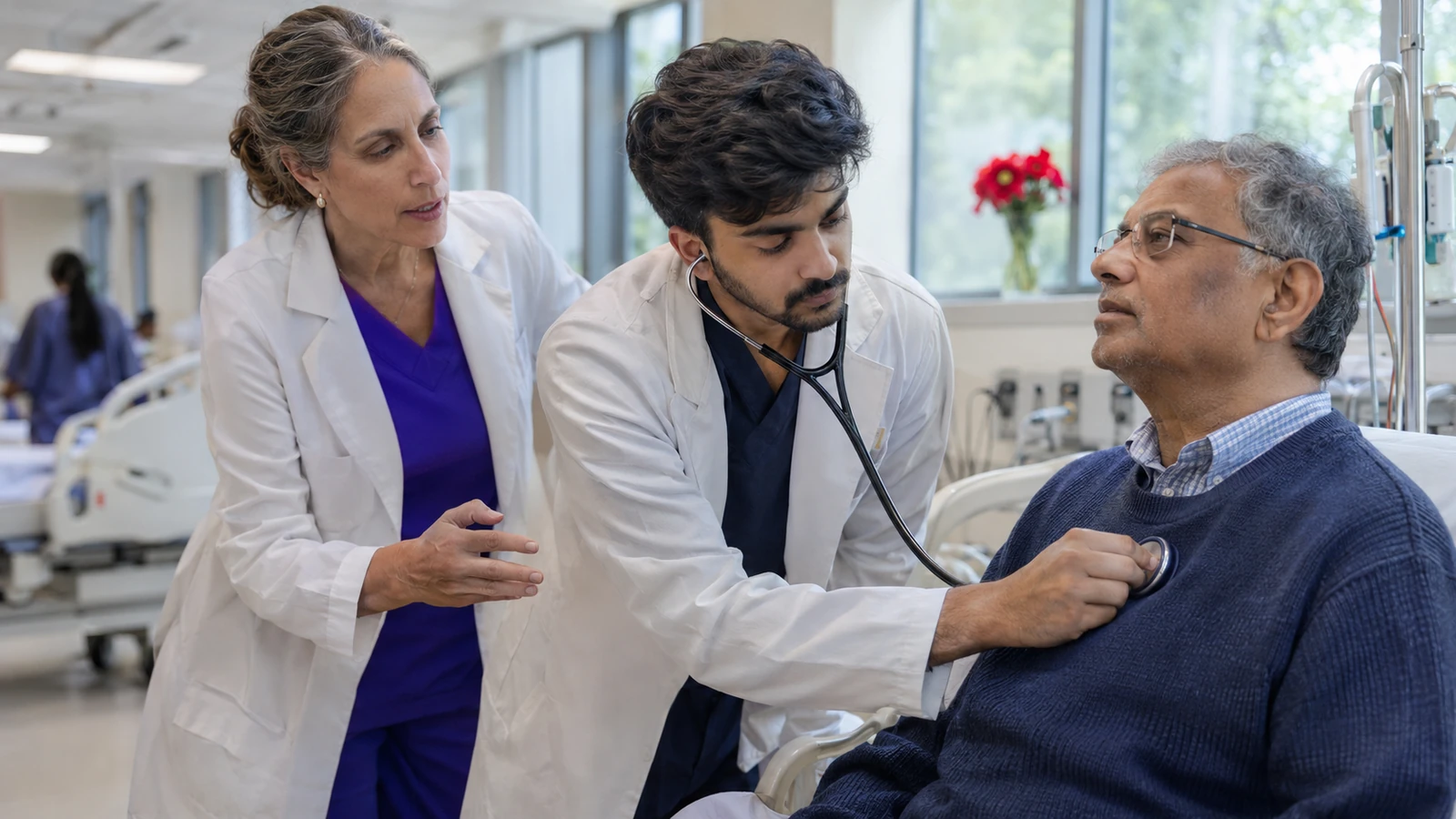
An observership lets you watch care being delivered. A hands-on rotation lets you take part: taking histories, presenting cases and following patients under supervision. Programmes generally value hands-on experience more highly.
The letter of recommendation
A rotation also gives you the chance to earn a letter of recommendation from a US physician who has seen your work first hand. Letters on hospital letterhead, from physicians who know you well, carry real weight.
Making the most of a rotation
- Arrive prepared on the speciality and the common conditions you will see.
- Ask for feedback early and act on it.
- Be reliable, curious and kind to every member of the team.